
Hey, I'm Noel
Here I share soul notes from the inner odyssey — reflections, insights, and quiet truths along the way. Come explore.
Your Body Isn’t Breaking — It’s Communicating
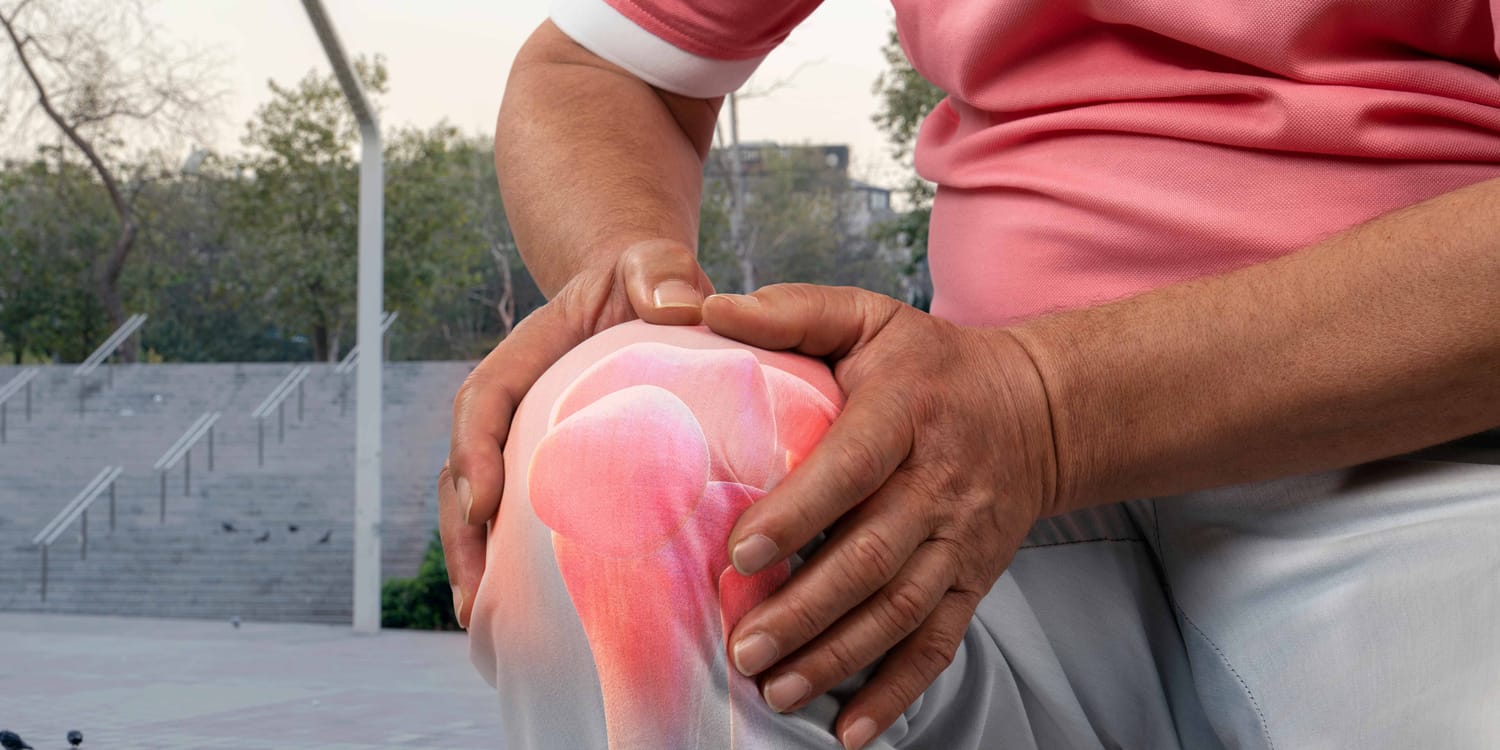
There’s a moment I’ve seen again and again: someone lifts an arm, turns their head, stands up from a chair—and pain announces itself like a warning siren. And immediately the mind rushes in with conclusions.
“What’s wrong with me?”
“I’m getting old.”
“I need to fix this.”
“This is my life now.”
But I want to offer a different starting point.
Pain is the body talking.
Not as punishment. Not as betrayal. As communication.
Most of us were never taught how to listen to the body’s language. We were trained to override it, medicate it, push through it, or label it. And labels are powerful—but not always in the way we think. Labels can become prisons.
The event ends. The story continues.
An event happens—then it’s gone. What’s left is the story. The mind stores it as memory, and the ego guards it as identity.
That story doesn’t remain theoretical. It becomes a blueprint.
Over time, if it’s unresolved, that blueprint begins to show up physically. It can show up as tension patterns, restrictions, compensation, inflammation, and pain. It can show up as the body “dropping” in certain areas or refusing certain movements. The body starts speaking the language of the unresolved.
I worked with someone who had shoulder pain that seemed purely physical—until we asked a simple question: What does this relate to?
When we traced it back, the body pointed to an age range: mid-teens. And when we got more specific, the charge wasn’t “about the shoulder.” It was about fear in the presence of his father—never feeling good enough, always bracing, always trying to be perfect to avoid consequences.
When he tried to say, “I feel so happy and comfortable in the presence of my dad,” he couldn’t. His system rejected the statement. That told the truth faster than his mind could explain it.
That’s the body speaking.
The body follows the blueprint—until you update it.

Here’s what matters: the blueprint is not fate.
When we brought gratitude and forgiveness into that memory—not to excuse what happened, but to release what was still being carried—the body changed.
The shoulder softened. The range of motion returned. The pain reduced dramatically.
And people hear stories like that and they think it’s magic.
In a way, it is. But it’s not random magic. It’s the intelligence of the system when it’s no longer forced to obey an old identity.
“I am” is a doorway. Watch what you attach to it.
One of the most important things you can learn is the power of the phrase “I am.”
“I am” keeps you in the present moment. It’s clean presence.
But the moment you attach a noun to it—
“I am anxious.”
“I am broken.”
“I am not enough.”
“I am depressed.”
—you energize a concept in the body. The cells respond to what the mind repeats.
No thing healthy follows “I am” when you use it to cement limitation.
This doesn’t mean you deny your experience. It means you stop turning temporary weather into permanent identity.

Try this: leave “I am” open.
Let it be presence, not a sentence.
Breath creates the gap where healing begins.
If focus is your superpower, breath is the simplest way to train it.
When you focus on your breath, the mind quiets—sometimes only for a moment. But that moment is everything. Because in the gap, the observer appears.
And the observer is you—the real you.
The mind reflects the past and projects the future. It’s a tool. But it cannot live in the present moment on its own. Presence belongs to you.
When you return to breath, you return to what’s real.
A simple practice when pain shows up:
If you’re experiencing physical pain, try this before you spiral into fear:
Ask: “What does this relate to?”
Ask: “When have I felt this before?” (Don’t force an answer—listen.)
Breathe: slow inhale, slow exhale, 10 cycles.
Shift language: Instead of “How am I doing?” ask “How is my body doing?”
Bring it to the heart: place a hand on your chest and say, “I can hold this. I don’t have to become it.”
This is not about bypassing. It’s about updating the blueprint with awareness and compassion.
Your body isn’t breaking. It’s communicating.
The pain is not the enemy. The unexamined story is the trap. And the way out begins with presence—breath—awareness—and a willingness to question the identity you’ve been living inside.
If you want support tracing the blueprint beneath your symptoms, this is the work I do. Not to “fix you,” but to help you remember what your system already knows.